

Psalm 56:3, What time [When] I am afraid, I will trust in thee.
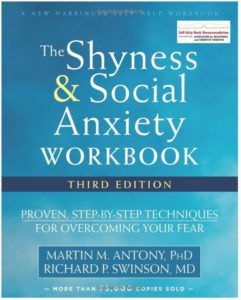
Social Anxiety Disorder: Most people experience some degree shyness or nervousness when around unfamiliar people or in settings in which they are being evaluated by others. However, the intensity of the anxiety and the impairment it leads to can range from transient to debilitating. When social anxiety is intense and persistent, it can prevent people from living up to their potential, forming relationships, working, or participating in social activities. Individuals with social anxiety disorder have very significant fears of being at the center of attention, doing something that could lead to embarrassment, making a bad impression, or being judged negatively by others. Because church services and congregational activities usually involve significant social interaction, those with social anxiety disorder may find coming to church very difficult or may avoid it when possible. Most of the time, people struggling with social anxiety want to be able to interact with others but feel unable to do so. They realize that their fears are excessive or unreasonable but continue to be restricted by them. The good news is that social anxiety is treatable and there are many skills that can be learned to help reduce the distress and impairment of this condition.
Phobias: Phobias are strong anxiety reactions to specific triggers. Whether the trigger is a fear of heights, closed spaces, flying, elevators, dogs, etc., phobias are common. Unfortunately, phobias are often joked about, but many people never find adequate treatment for them. When phobias go untreated people continue to avoid the various places, situations, and things that trigger their anxiety instead of learning to overcome it. Phobias are very treatable! Learning about phobias and the tricks they play on our mind and body is the first place to start on the road to beating them.
For Further Information:
Social Anxiety Disorder: Symptoms, Treatment, and Self-Help [Helpguide.org]
Phobias and Irrational Fears: How to Recognize, Treat, and Overcome a Phobia [Helpguide.org]
Help for Fear of Flying [Anxieties.com]
Screening Tools
Books

 Acceptance and Commitment Therapy for Christian Clients: A Faith-Based Workbook
Author: Joshua Knabb, Psy.D.