
 in Ministers
Nurturing Discipleship in the Church Webinar
Discipleship is fostered in community. How do we create a community within our church that nurtures the growth of discipleship? In this webinar, we discuss with ministers and wives a few steps which church leadership can take to encourage healthy discipleship within the church.
Nurturing Discipleship in the Church 11-3-25 Handout
Transcript:
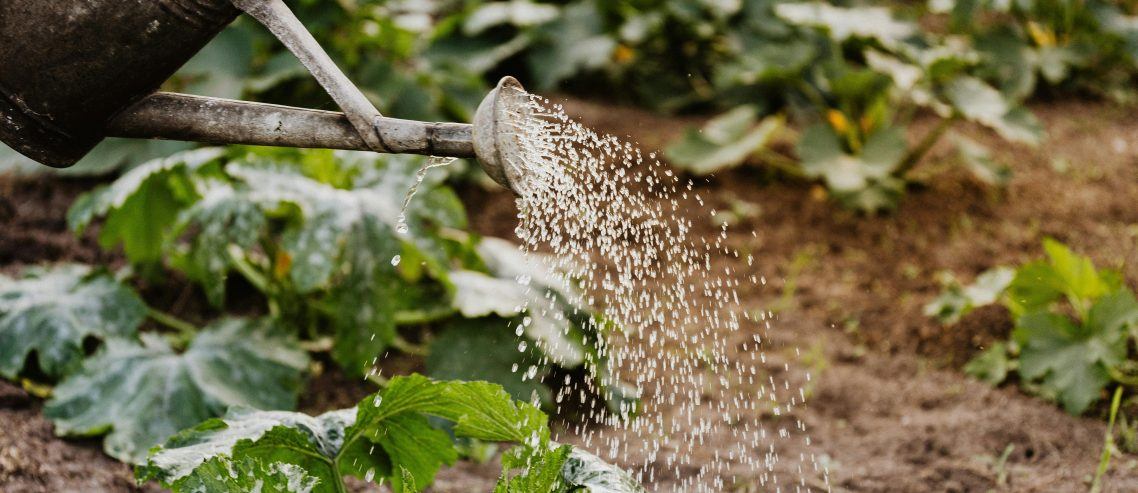
Very good. Greetings, brothers and sisters. Excellent to be with you, nurturing discipleship in the church. Glad that Jeff and Isaac are with me here. Brothers, as I look at this picture, it’s a great picture for this topic, isn’t it? And I think all of us probably think about Peter and Paul as he said there in Corinthians, one waters, one plants, but God gives the increase.
Perhaps it would be appropriate if we started there with this webinar because we’re going to talk about some tactical things about planting and watering and certainly the desire for giving increase. But yeah, I would love your thoughts just on that image and in God’s work and our participation with that work.
Jeff. Well, yeah, just like that Scripture you quoted as we talk about this, and as you said, we’re going to get into some logistical things and some practical things we can do. It’s important for us to remember that this isn’t our church and this isn’t our work. This is God’s church and his work, and we’re partnering with him in this. And if we try to do too much without relying on the Holy Spirit and on him, we know the end result of that. So yeah, thankful for that reminder of making sure that he is first and foremost in this work.
Yeah, for sure. Isaac. Yeah, I just say amen to that over and over again. We have to keep recentering on that idea or else we really run some serious risks of just becoming very busy people without being formed people who look like Jesus, which is the thrust of discipleship. How do we nurture relationships and environments where people can look like him and not like our version, whatever that is.
Yeah. I love that. And so, I think that focus is so important as we start in this conversation because if we lose our way with this very one thing we lose our way for real and badly. And so, thanks for that. So, let’s look at another wonderful passage that Paul writes in Colossians. Whom we preach warning every man and teaching every man in all wisdom that we may present every man perfect in Christ Jesus whereto I also labor striving according to his working, which worketh in me mightily.
It’s just a powerful statement. It almost rings like a personal philosophy of pastoring that Paul took. Isaac, I’m curious about your perspective on that. Paul’s writing this and it says a lot about how he thinks about things. What are some of the things you key in on? Yeah. Well, this is such a quintessential discipleship passage here, I would say just before this, I think Paul’s talking about the mystery of Christ in us and the treasure that is, and then he just starts talking. He is like, that’s who we’re preaching, which I think is so important that we center on a person and not a program or a method. We will talk about some methods, but they’re just ideas. It’s not like they’re the thing.
We have to start with how Paul starts here and saying we preach Jesus. And then he gets into this idea of warning every man, teaching every man in all wisdom, which I think is just this beautiful marriage of truth and like gentle correction. This warning every man that’s something that’s done in relationship with other people.
So that every man can grow into the likeness of the one that we’re connecting them to, that we’re preaching, that we’re telling about is Christ Jesus. And then again, he’s entering just as we just said, recentering at the end of this we’re laboring. We’re really intentional about this.
We’re doing some things, but we’re striving according to what God is enabling us to do. And he’s the one who’s doing the work, and he is working in me as I’m helping other people. And yeah, I feel like this is such a great encapsulation of everything. Now, Jeff, I’m intrigued and I’m going to ask a question that we don’t have time to really answer.
But in short have you noticed yourself change and grow as you have entered the ministry and now pastoring as an elder leader, do you feel the weight of a verse like this grow on you or in what ways have you grown in likeness to some of the same ideals that Paul is speaking to?
Yeah, for me it’s probably been more in the past couple years, just stepping into the elder role. I think as a minister I would think a lot more evangelical, you know, sermons around just the good news of Jesus Christ, the gospel message and thinking about that. And then, that subtle shift in thinking, that’s the beginning of the story.
That’s the most important part of the story. But this concept of then taking a believer and presenting them as a perfect or complete man in Jesus Christ, there is a weight to that. And it’s important we see that in our church. When I was young, there were people who spoke the gospel to me, and I repented of my sins and I was discipled up until about baptism.
And then it was just, you know, almost that little thought of, all right, now you’re baptized, you’re good to go. As a young man, I was not. And so, I think a lot of us recognize that now and think about how we take these young believers, or even older believers, but baby Christians new Christians, and try and think about what it means to present them perfect or complete in Christ Jesus. And it is a work, and it, it doesn’t end at baptism, and it certainly doesn’t end in a short amount of time. It’s a lifetime commitment. So, I love that opportunity. You just took the words right out of my mouth.
There’s a weight to it, but also there’s a great deal of hope in it that such an objective was Paul’s and can be ours and is our lot as believers that we might be presented, myself included in the likeness of Christ. So, Isaac, you really laid some of this out already, but if we’re going to talk about discipleship, we do need to be clear about what it is.
Take what’s on the screen here, Isaac, expand on it. Speak to this. Sure. So yeah, I think discipleship is just one of those things that over time has come to mean so many different things to different people and it can become kind of nebulous then sometimes when you’re talking about it. So, what exactly, are we talking about?
We’re saying even nurturing discipleship in the church. Okay. Are we nurturing mentorship? Are we nurturing the practice of spiritual discipline? Are we nurturing something else? Whatever. And so, yeah, the definition can be helpful just to start working from, so here’s a shot at it. Discipleship is apprenticeship to Jesus, learning to live our entire lives in the way of Jesus and helping others do the same.
So, I really like that first phrase there. Discipleship is apprenticeship to Jesus. And I think the goal of saying that is to help move from something which we’re fairly removed from, which is this learning style of being a disciple to somebody. We don’t use that language in our modern culture very much.
But we know what apprentices are and we have trades programs and things like that, which I think give us a better picture. That’s probably the closest picture we have today in modern life to what disciples had back in first century Israel. So, when Jesus presented it or lived into it, he wasn’t the first one to do it by any means.
But anyway, so learning then to live our entire lives in the way of Jesus is done in this sense of apprenticeship, which is a relational sort of arrangement. I think a lot of times discipleship can sound like maybe a classroom environment where there’s a teacher giving information or a curriculum to pupils and that’s not really what we’re getting at here.
We’re talking about like a carpenter’s apprentice to its master who’s living life on life with this person close enough to hear the rhythm of his hammer as he’s going at the nails and picking that up as you go in relationship with your master. And so, you know, biblically we can ground that in places like John 15, where Jesus is talking about abiding in the vine. He is the vine. We are the branches. That close connection to him, that’s where discipleship begins, and it’s where it continues, and it all ends there too, in this abiding sort of relationship. It says in Mark 4, I think it is, Jesus calls his disciples to him so that they might be with him. And as they’re with him, they’re learning to live their lives as he lives his.
So, that’s learning to live our entire lives in the way of Jesus from a place of proximity with him. And a place of proximity with his people, which is how we round out this definition with helping others do that too. Apprenticeship is not like a solo journey for anyone. Jesus called a group. He still calls groups of disciples to come together to live together, to learn how to do his way of life and to become as he is.
I was told once that a good definition really pins an idea. It boxes in an idea so that you capture the idea, you understand what’s in and what’s out. That’s a really good definition. And Isaac, you’ve really done that. You’ve pinned in, put some stakes in the ground, gave us some imagery on understanding what it is. And something I want to put my finger on is you mentioned vocabulary and the importance of it and this idea of apprenticeship sometimes is a helpful word to enliven what has otherwise become so common that we’ve lost the pin and discipleship. And so, you’re raising that idea of apprenticeship.
And so, Jeff, I’m aware of some of the work that you’re doing in Goodfield and I’ll let you speak about that as much or as little as you want to. But you’ve stepped into this space of discipleship in a real way with your congregation. And I’m curious how vocabulary has gone for you. Has that been something that you’ve been very thoughtful about to say this is the word we’re going to use and because the words we use are important in communicating ideas.
So, Jeff, I’m curious about your perspective and your use and your practice there in Goodfield. Well, yeah, the short answer is no. We have not been thoughtful. But even as we’ve had these conversations leading up to tonight and just a feeling I’ve had from before, there are a couple definitions we need to flesh out a little bit more, and you and Isaac mentioned the word mentorship. That is one of our programs that we do.
We heavily use the word mentorship and it’s appropriate in that program, but that’s also becoming more and more common without good definition in our culture, in our society. And so, I’ve started to see that in certain conversations when you start throwing out, do you have a mentor? Or could we help you get into a mentorship relationship? And you see people’s eyes glaze over and realize, okay, it’s time for, for some more teaching here. And even in this definition, the apprenticeship I think does help people understand more in Goodfield. We have a very strong culture of builders and contractors.
And so, I think most people in our congregation do really understand apprenticeship. Many of them have been through that in the past and realize it’s not somebody from a distance telling you what to do, but it’s that person walking beside you, showing you as you do it right there with you and you’re learning from observations and from experience but together.
And so, it’s helped me as well just thinking through if there is a role of discipleship from the pulpit? And we can speak into discipleship. In apprenticeship, we can help teach theories and maybe some practices and things like that. But discipleship and apprenticeship happen when people live life together centered around growing people to look and think and act more like Jesus.
And so, we have a role from the pulpit, but realistically, most of this is going to happen out in life and from the pews. So, I think that’s important. I just want to underline that if I can, Matt, how important it is that we find this in the ordinary places of life. Yeah.
And I think why the word apprenticeship strikes me so well is that it’s driving towards not just the spiritual or the sacred things that we think about in life as like, oh, that’s where I become like, Jesus. No, you become like Jesus in the very ordinary moments of your life, in your work, in your play, in your family time, certainly in your church events as well in your Sunday sermons, all that, but it includes everything.
Yeah. Well, I’m going to be a little tongue in cheek, but a lot of honesty here. I made a profession out of teaching, and I’ve wanted those lessons to go a lot further than they’ve ever gone. And you know what? I probably have too much expectation for what a lesson can do. In terms of a lecture, there is more that’s required in order to do some of the deep and important changes in human formation.
So, that’s a great way to set up as we think about moving forward with this topic here. We’re going to move quickly through five different kinds of thoughts. What I’m presenting here is the shape of how we’re going to deal with this tonight. There’s an envisioning part of a culture of discipleship or apprenticeship in the church.
We have touched on that already, I think. We’ve heard some of that vision. I think we’re probably all somewhat in agreement with that. Wow, I think there is something here. Well, let’s touch on that, number one. Number two, then consider where discipleship is happening in our church, might be another next step after visioning. Also seeing where it’s not happening in the church. And maybe where there’s some lack, stepping into trying something, number four. And then finally helping us maintain a proper relationship with a discipleship practice or something that we’re doing. So that’s going to be our shape here. And let’s just step right into it with number one.
So, number one is visioning. We spent some time on this a year ago. I think Isaac, you were at that meeting and Brother John Wiegand was also present. We talked about discipleship and a webinar, and I would say some nice vision was cast there. But let’s cast it again because it’s worth it and it’s important.
And Jeff, I would love for you to speak about this as you thought about Goodfield. There is something tremendously hopeful about visioning, right? It’s thinking and dreaming a little bit, right? So, we’d love to hear a little bit about that process with you, or maybe even what are some of the dreams that you have or things that you would love to see discipleship-wise in your church?
Yeah, and you know, a lot of this is more recent conversation actually, but just as we’ve realized that with a growing church and with a lot of new faces that this is something we need to speak into. And I’m a little bit of an idea guy myself, and so these ideas keep popping up of different things we can do, but coming up with ideas is a lot more fun and a lot easier than actually implementing things and following things through and making sure things stick.
And so, as we were talking about this, you know, this word culture popped up and we realized, culture must precede programs. It’s easy to put programs in place and throw out ideas and things that we can do. But there needs to be a desire, a recognition of need, and an openness to engaging in this. Especially in lives that are so packed with so many other things.
And so, that’s what we’re working through right now. How do we engage as a pulpit, but then also with other individuals in the church that are involved in different areas. How do we start to really enhance or encourage this culture of discipleship where people understand what it is, desire it, and get to the point where they’re willing to make some pretty significant sacrifice for discipleship.
Because we have a choice every day what we’re going to fill our time and our day with, and to really intentionally engage in activities or conversations that grow us to look and think and act more like Jesus takes sacrifice. Something else has to go. And so, we’re at the beginning stages of this. And I’m looking forward to learning from others too how that’s going in their church. But that’s where we’re at right now. And that visioning process is just seeing, helping to see how we help more people understand the importance of what it is, and then awaken or fan the flame of desire for discipleship in their lives.
Just an observation there. Sometimes when we put a program in place, we would like to assume the culture is already present to sustain and carry forward that program. And when the program fails, we realize that the culture was never there. And so, you’re really doing the deep work, aren’t you, of understanding some deeper formation.
Does that ring true, Isaac? Is that a good way to think about it? Yeah, I think casting that vision is so important, keeping that before people, because as Jeff shared, I think the world around us is doing everything in its power to blur that vision for us and to give us a different vision for life than the vision that Jesus gives us. And so, keeping that clear before people, before us is going to be primary. So yeah, continue to find opportunities to discuss what it looks like to be a counterculture in our local church body. How that looks different from our environment has potential to be a really fruitful conversation when you frame it up.
How are we living differently than the people around us? What’s unique about Christ in us that the world around us isn’t offering? Isaac, can you answer that question just as an example? Because it all makes sense to me. But until we get to some specifics, I think we have a hard time really trying it on. So, give some examples of how we are different from the world? And what might be a vision then for a church to be separated from it?
Well, that’s an interesting question because I think once you get behind the methods, behind the practices themselves, sometimes I think what you’ll find is you’re not all that different. And that in itself becomes the wake-up call to, oh, okay, now discipleship is going to matter to us because discipleship is the pathway to become different and to become like Christ, right? And so then you get asked the questions or you get casted visions like, what would it look like to be a people of love, to be a people of joy, of peace, of great patience and kindness to actually live as a very intergenerational, interconnected family unit of people who come together who frankly aren’t family. And be able to show what that is like to the world around us. So yeah, if I was to put my finger on what a vision for discipleship looked like in our local church here it would be where people are learning to be like Christ in their everyday lives, in deep relationships with each other.
I think that’s so core. And where the practices we are engaged in on a regular basis, whether that’s our Sunday worship service, our Sunday lunch, our meals, our midweek moments together, whether it’s a, another midweek service or a small group or something like that, those are things that are intentionally forming us into people whose character was looking more and more like Jesus.
Not just doing them because that’s just what we do because that’s the structure that was handed to us. But understanding what’s the heart of these things and actually becoming this laboratory for a new way of life for us, so that we can be that counterculture. So, we really can be different. A light on a hill as the Scriptures put it. Yeah. If I can underline one thing there that Isaac brought out. This is something that really struck me when we’re setting up the ETR course about ecclesiology or the study of the church and talking about the early church and the explosive growth they had early on.
And it wasn’t because of these incredible sermons or the ability to reach thousands of people with their words. It was this example of this small group of individuals in this community living life together very, very differently and countercultural to everybody else. And it was living in a way of peacefulness and love and sacrifice one for another and all of these different things that Christ preached.
But the early church had to live that way. I mean, they were all living close together. You know, small churches, small town. They didn’t have the means of travel that we have and communication that we have. So, they were forced to rely upon each other for everything. For survival, for safety, and for all their necessities. And so, it just created this model of discipleship that I don’t want to say was easy because they were fighting to survive in many cases, but it made discipleship work. Now today, we have to be so much more intentional because we are more spread apart. We can survive without each other. So, you know, it’s an opportunity for us, but we just need to think about how we live more like the early church in our culture today. And so, the world around us sees that this group of people is different, these Christians are different, they’re living differently.
And I love the examples you gave. Yeah. This is the envisioning slide, and you both have done just tremendous tapestry of what it could look like, but also some specifics as you talk about love, patience, and charity. So, now we’re getting to some specifics that can be built on. And so, let’s look now at the next one as we move forward here, and we think about this idea of blowing on hot coals is sometimes a great way to start a fire where there are already hot coals. And so, therefore, I’m using this as a way to say, consider where apprenticeship to Jesus is already present in our churches. All of us are artifacts of that. We’ve, been discipled after Jesus this far along. Somehow it happened. And so, it should come as no surprise that we have hot coals.
And so, my question about this then is, how do we uncover where hot coals are at? I’d be curious, Jeff, you’ve got a Goodfield context. You’ve thought about this, you’ve thought about your church. We’d be glad for you to share about on ramps into this and what it looks like to find hot coals and blow on them.
Yeah. What I’m really curious about are some of the things that are just part of many of our churches that started long before I was born. Were there conversations around discipleship when these were started? And I’m thinking church lunch was created out of necessity because they wanted to have a day of worship and people couldn’t leave in their horse and buggy and go home for lunch and come back.
So, let’s eat together. Was there more intentionality around church lunch? I don’t know. But we’ve had potluck groups that have been together for their entire married lives. These groups of believers get together once a month and share a meal and life together.
I don’t know if sewing groups are a thing in other churches or if that’s a Goodfield thing, but there have been these groups of ladies that gather periodically. You know, I think very little sewing happens anymore, but I don’t know how intentionally these groups started with discipleship in mind or more out of a desire for connection when people were more separated or spread apart without communication during the week. But when I look at those groups and those things that are still going on to this day, can we start discipleship in those groups?
You know, if you’re in a potluck group that you’ve been getting together for 20 years, but very little of your conversations are focused on growing each other to look more like Christ, what would it take to change that now? It wouldn’t take much. You already have that rapport, that common bond infrastructure. So now it’s just, okay, how do we make sure that we’re more focused? And even church lunch you know, we consider church lunch a great opportunity for discipleship. And it is, but it must be intentional. Just sitting there talking about the game last night or the crops and work and how the kids are doing is a great foundation for discipleship, but it’s not discipleship in itself. So how do we start encouraging that in the opportunities we currently have?
Yeah. Isaac, take that now to the next level. What are the elements then to be a thing that could be hot coals to blow on? Because not all good things are equal, necessarily, but there are some elements and qualities that need to be present in order for something to be formed or have an element of spiritual formation.
Am I right about that? And I’d be glad if you helped dress that up. Yeah, I guess the first thing I would say is that certainly God can and does do things outside of any direction or intention of our own. Now I don’t think that’s the way he prefers to do it, but that’s to say that I’m sure discipleship and formation into the likeness of Jesus is happening whether people called it discipleship or not, or whether it was intentional or not.
But I think being able to put your finger on the places where this person is embodying love in our congregation. Wow. That person is deeply joyful. Oh man, that person is unshakeable in the turmoil of life, whatever. And if you can just spot those people and find connection points with them like that, you know that discipleship is happening there in some form. There’s no way for them to be so Christlike in a world that is so not without them being involved, engaged in a way of living that is producing the kind of character that you’re noticing there.
But so, making those connections is one way just to blow on those coals. I think other elements should be involved, I guess just underlining and maybe going a little bit deeper with what Jeff had shared about reinterpreting things that are already happening.
You know, one great way to really kill discipleship is to throw a program at someone. And the programs can be useful. They certainly can, but it’s a lot better to reinterpret what’s already being done, the ordinary movements of your community together. So, can your Sunday sermon become a place of discipleship where people are becoming more like Christ?
Yeah, I think they could. Can we help people move from just being consumers of information into people who act on the truth that comes through God’s Word in a Sunday sermon? Yeah, we could do that. And so, you’d want to add some relational elements to that. You’d want to add some intentionality and questions and reflection perhaps that it’s going to be a vital element of being a discipleship or a formative sort of practice for your church.
During mealtimes, Jeff brought that up, I think the tendency is to probably sit by the people that you’re familiar with and you start to form these cliquey environments. That’s always a temptation when it comes to social settings like that. But then finding ways to shake that up and get uncomfortable and find someone, just be intentional about it and go sit by somebody we don’t usually sit by today.
And that’s going to be part of how we grow to love other people and to show that we are glad that other people are here with us and that I’m glad to be with them. And then you start bonding with people and you start becoming an embodied presence of love for them, which they then connect with God through you.
And that’s formative, that’s Christ forming in people. When you greet one another with a holy kiss, a hug, whatever, you’re communicating value and unity and belonging with other people. There’s something very formative about together and just blow on the coals that are there with some layer of intentionality, some layer of reflection, some layer of just reinterpretation of or re-imagining of what this is actually good for beyond just ritual.
That could be really potent in forming Christ in people presenting everybody mature or perfect in Christ Jesus, as Paul said. You mentioned that you gave a couple of categories. One, seeing the fruit of the product of what discipleship in the way of Christ could only be and the second one this idea of seeing the fruit, but also reimagining those things that we are doing. And I want to add another layer here. Those things are repetitive in nature. The examples that you gave, Isaac, in terms of greeting, Jeff gave eating, these are all rhythmic types of things.
That is one of the elements, right? As you think about discipleship, those things that are truly human forming have got to endure over time and be repetitive over time. Is that a fair statement, Isaac? How would you fix all that up? Right. So, I mean, what we’re really saying is we’re naming what has come to be known as spiritual disciplines.
And it’s not important language necessarily, I guess. But the idea is that anything you’re trying to learn how to do, you’re going to have to do it repeatedly. And that’s just a way that God has made humans to be. And I’m going to exercise my muscles. I can’t just do it one time and then I’m bulked up and ready for the race or something, or for the game. If I’m learning to play an instrument, I’m going to have to practice daily for an hour or whatever in order to become someone who can play that instrument. I like this example I’ve heard, what does brushing your teeth for two minutes one time do for you? What good is that? And the answer is it’s almost no good at all. If you just brushed your teeth once for two minutes and then went on with your merry life and never did it again, you’d still lose your teeth. But what good does brushing your teeth for two minutes, twice a day over the course of years, give you? Well, that gives you really good dental hygiene and a beautiful smile with which to greet people.
So those just speak to the intent and the importance of repetition. And I think that’s helpful. I think that helps us as we are able to smell discipleship and where it’s happening in our churches, right? That we would have a thought of not only the fruit that we’re seeing coming out of certain places, but also the potential of these things that we’re doing routinely, those things that we’re doing over time and repetitively. Those things are powerful places for formation to take place.
Let’s move along to then to this next one, which is like, where does it not happen? And there is a ton of hope in this right? Potential lies in untilled soil. This is the field that we haven’t been tending to. You know, a farmer comes in saying, hey, honey, I never knew that we had 15 acres back there. Here all this time, it’s just been growing in weeds. How about I till that up? Everybody’s happy. I mean, that’s great news. So, we can also approach our congregation. We can grow and approach our places also with the same optimism that, hey, I think there’s probably some untilled soil here that could be tilled.
I’m curious, Jeff, how that hits you. How do you think about the potential in untilled soil in your context of Goodfield? Have you found any? Are you looking for it? What does that exercise look like? Yeah, I mean, we’re absolutely looking for it. And some of it just became very evident and clear in conversations with individuals.
And I really do appreciate, Matt, your analogy here of the untilled soil because by nature, I would naturally go towards more of a negative outlook on it. Look at all the ways we’re failing in discipleship! But many of our churches are growing and thriving and they would be considered by most metrics, a healthy church.
Yet we still see tremendous opportunity for discipleship and so it’s good to have that optimistic and hopeful outlook when we start looking around. And just a quick example. I met with a couple who recently expressed a desire to become a part of our church. He grew up in our church, and his wife did not. And she is just confessing to me almost with tears in her eyes that she’s reading Bible story books to her three-year-old son about characters she doesn’t know about and that she’s unfamiliar with. And she just feels terrible about it. And it’s like, hey, don’t feel terrible about this. You recognize your need for growth and spiritual growth is a beautiful thing. No matter where you start, it’s having that desire to go farther and to grow. But it just showed me there’s an opportunity there with many of the fresh faces that are coming into our congregation either through marriage or just from the community and they are searching, seeking for something and finding a church that they feel comfortable in.
But also recognizing they can very easily end up in the corners, in the back row and not receive the discipleship and the connections that we want them to have. And I already mentioned young believers you know, just that very common thing from the past where we pull them up out of the baptismal waters and dry them off and say, you know, go get them, tiger.
And it’s like, a lot of these young people still need somebody to speak into their lives. And so, one thing we just recently talked about that we’re going to try to do as a minister team is when we have anybody but especially a young person that’s still living at home, come to us in repentance to try to immediately set up a meeting with them and their parents specifically around discipleship and just help them understand that their primary disciplers should be their parents. And a lot of parents, I think, would have the desire and understand in theory that that’s their role, but maybe not know what to do.
What does this look like? Maybe they were never discipled at a young age themselves. And so that’s just one area that we’re looking at that I think will really help. Especially post baptism where the parents are recognizing that they’re the spiritual authority for these young people and that goes for as long as they’re in their household or possibly even beyond.
But then, yeah, just how many people in our congregations consider themselves in some sort of discipleship relationship. And I don’t know if I can get an accurate number on that but I’d love to ask that question and see how many would be open to the fact that they’re not and that they would desire that, or they would desire to disciple someone if they’re more of a mature Christian and would see the value in that as well.
I really like that. You said a couple of things. One I love is you answered the question very well of untilled soil in terms of post baptism. I think that makes a lot of sense to us. You also mentioned a demographic that might be changing in terms of folks coming and finding Christ.
That actually was one that Brother Mark Streitmatter and I had a conversation about, and we listed probably four or five names of individuals that began their repentance and didn’t complete to baptism, and we kind of lost them. And as we thought about that, we realize we need to disciple.
More care needs to be taken there. So, it was untilled soil, and it was really helpful for us to make that connection to say, okay, this is a place for us to potentially step into. Isaac, I’d be glad for your thoughts, and I would like you to speak about this idea of backwards design a little bit.
You could take any of Jeff’s ideas that he threw out there, but step through what it looks like to start tilling untilled soil. What does it look like to work with the end in mind? Yeah. So, my mind goes to a few different places just listening and greatly appreciate what Jeff shared there.
If you’re training for anything the training disciplines that you would engage with varies depending on what it is you’re training for. Someone who’s training for a marathon is going to enter certain disciplines training that would enable them to run a marathon. People who are training for a pie eating contest are going to be engaging in a very different set of disciplines to learn to eat a lot of pie.
So, this working backwards thing that you’re getting at is what are we actually going for, and then what are the steps and what does the training look like to actually get there? So yeah, if untilled soil looks like just a lack of joy when people get together or whatever. We don’t really seem to like being together, enjoying each other or enjoying God.
Okay. So, we don’t think that’s the life Jesus intended for us. We think Jesus modeled joy and that joy is part of the fruit of the Spirit. And Jesus told us many things. He told us to abide in him and to keep his commandments. And he’s like, I’m telling you this, so that your joy will be full. And so, it’s important to him that we have that right. And so, then we can work backwards and be like, okay, so we’re not people of joy. What can we start doing that’s going to help us become that? And now the tricky thing here is talking about this in a way that’s not thinking you manufacture joy or that this is a do it yourself sort of project.
The real trick is how can I partner with the Spirit to form me and my community into people who are joyful in him? So, you could just very easily think of certain things that elicit joy in my life. Well, I mentioned pie eating earlier. So, eating good food is something that brings me joy. Is that something we could do together? Certainly. Is it something that we do together? Yeah. And so that becomes a real low hanging fruit opportunity for us to engage with like a potluck or something like that, where you’re just calling out, hey, this is an opportunity for us to be joyful with one another. And to express that through gratitude and encouragement to one another. And just saying, this is just part of our training to become people who are like Christ. We’re not just getting together for potlucks because we thought you didn’t have enough on your plate. We’re doing it so that we can become more like Jesus together and help other people do that too.
So, that’s now part of your training regimen. You’re going to have a potluck every month. And it’s going to be for the purpose of just being glad to be with people, enjoy good food together, be grateful to God for his blessing. Okay? You do that over time, and that’s going to have a pretty good effect.
You’re also going to need some pretty significant relationships in your life for people who are filling you up and not draining you. And so, we talked about mentorship being something that you start talking about and some people’s eyes glaze over. But instead of asking someone, how would you like a mentor? You said something like, how would you like a really close friend who no matter what you told them, they’re sticking with you. Yeah. I think pretty much everyone would say that’s what I’m looking for.
Yeah. There’s a general human ache that is pretty well in line with that need. And so, if you did something like that, then you’re connecting people with someone who’s going to be glad to be with them, and someone who’s going to show them what it’s like to be loved unconditionally, received, helped, encouraged, challenged surely but gently in the love of Christ.
And you start to show them what that’s like, embody the love of Christ in that way. You can imagine what kind of person that would create. Someone who is joyful because they feel safe here. I feel received here. I’m beloved here. So anyway, then you start doing those things regularly and that becomes your training regimen for becoming whatever it is that you’re going for.
In this case, I’m going to join that regular behavior with very intentional intent that’s been set forward over time which has a powerful effect. Again, all under the power of the Holy Spirit, his watering of our planting. But it’s all his increase.
But that leads us to this next one, which is try something. We always start with a try. And Isaac, you have given us a great example of a possible try. Jeff, you’ve tried some things. What have you tried, if you care to share? What was it like to try a thing? Yeah. I love how Isaac talked about beginning with the end in mind and one of the programs we started a couple years ago was like that. My brother Erik came to me and said, hey, what should we be doing about this idea of sexual purity, especially in the men and the boys of our church? And we had some phenomenal seminars with ACCFS, and some seeds were planted, but just a recognition that we needed something ongoing.
And so, I met with some brothers, and we talked about what this looks like. And we all agreed that just by having conversations around sexual purity we’re going to lose some people. We’re going to have some people that are steeped in it, that are too embarrassed if that’s what the topic is, and they’re just not going to come. We’re going to have some people who are not struggling with it and they aren’t going to come. And so, he said, how about we just work on growing spiritual disciplines amongst men and boys? Start with that. Then as we start these bonds and these relationships and these disciplines, we can start talking about what this looks like in our sexual purity and other topics as well.
And so, we called our program Growing Godly Guys, or G 3, just as something to call it. But it was a combination of some large events throughout the year. A late winter, early spring cookout started off as a deer fry because we are in Goodfield, Illinois, and that’s what we do. We had a men’s campout in June that we’ve been doing since I was a boy. But now that’s part of this intentional program. Something in the fall, some sort of big get together. But then also some Sunday morning coffees before church. Just 45 minutes. Somebody can share a testimony or just have a little talk about something.
But we get together as men and boys. We have coffee together; we fellowship before church. And then we were trying to really emphasize daily connection as well. And so, we started off actually with an app that unfortunately no longer exists and now we’re just using text messages but putting as many men and boys in the church as we can into small groups of five or six in a group.
And just something as simple as taking a picture of something you read in Scripture every day and texting it to your group. It could be your physical Bible or screenshot if you’re using a Bible app, doesn’t matter. It could be a devotional whatever it is, take a picture of it and send it to your group.
But like anything, it’s probably due for a reset and then try to get more involved. Because there are some who may have dropped off and need to be encouraged to get back on, but just recognizing that to do discipleship right, it has to be daily, systematic. Those rhythms you talked about can’t just be every once in a while when we get together.
But building that trust, that vulnerability, those relationships to where now we can start speaking some hard truth into each other’s lives as we do some enjoyable things together as well. So yeah, we’ve had some great turnouts and a lot of fun. But also, I feel like there are some connections that have been made.
Some of the Bible study accountability groups will then take it a step further and get together for breakfast once in a while. And it’s been a joy to see some of those things happen as well. Jeff, does trying things come easy for you? Are you willing to try anything?
Yeah, pretty much. But I also realize trying it well is important. What advice do you have before we try something. Discuss it, think about it, think about what’s realistic. Our current G 3 program is not what I envisioned. I was actually thinking daily Bible study accountability, weekly or maybe monthly coffee, and then three or four big events a year.
But when I met with the brothers, they were just like, hey, we need to be realistic. You know, I think getting together coffee on a Sunday morning once a month is too much. Let’s try two or three times a year, see how it goes. And so, they had some good advice to just think about where people are at.
You can always grow it once it gets some momentum, but starting off too much is more likely to fail. And so, I was thankful for their wisdom and their encouragement in that. Just start small if you’re not doing anything. But then also have some accountability for the program because if I would’ve just tried to run this on my own and get the idea going, it would’ve died immediately.
But having some others who have a passion for it and a strong desire and having them be invested in helping plan the events and keep it moving was critical as well. So, who are the people in your church who have a passion for whatever idea you have or whatever direction you have, and how can you engage them and turn them loose but then also have those periodic check-ins, like, hey, when’s our next event? When are we going to do this next? What support do you need from me? Conversations like that.
Isaac, I’m curious, as you heard Jeff unpack that idea and his try, what are some of the elements you really liked. One of the things that I’m really glad he emphasized was accountability for the program. And that’s not to elevate the program as the only way for these things to happen, but I think the tendency that we all face is distraction.
And there are so many things that come in and will pull us away from following in the way of Jesus, going back to our definition of discipleship, living our life in that way that we’re going to need to sometimes just show up and it may not feel great. It may not feel like there’s fruit. It may not, whatever, but just having that discipline of showing up for whatever that is, I think is, is vital.
Keeping that repetition going. Yeah, I also think about the importance of whatever it is that we’re trying to have it so baked into relationship and how that is so imperative to people being grown into Christ’s likeness. It happens primarily in relationships with people. Not just, hey, did you read your Bible? Did you pray today? And just keep them accountable for that. But someone who is with them modeling what it is like to be the kind of person who would read their Bible every day and connect with God every day in prayer and through his Word. Having those relational connections then becomes the motivator, the drive. And also, there’s something very spiritual about that and very impactful. Forming those relationships with people who are, wow, you’re Jesus to someone. To me, I think this is a very tangible way that we get to experience what it is like to be like Christ.
And we see that in other people and then we mimic that. And that’s not wrong, but that’s just what we do as people. Every behavior that we do is mimicked behavior. And so, we have to see that in other people so that we ourselves can live in that and find the change that the Holy Spirit provides.
Right? And so, all of these activities that we’re trying another thing I’ll just highlight here and then I’ll stop talking, but in all of these, the primary role is just to open us to the Holy Spirit’s work. That has to be the primary goal of all of them. Again, not manufacturing some sort of outcome, but creating space, creating the environment where love, joy, peace, patience, kindness, goodness, faithfulness, all the rest are present.
I think you were speaking about this last slide, Isaac, and I’d like you to continue the importance of keeping the main thing, the main thing, and that we can get wonky if we don’t. Right. So, we have to just keep recentering on that everything we’re doing is about connecting with Christ because he’s the one who does the forming.
We preach Christ so that we may present every man mature in him. Not just people who look good and shiny, but people who are well-formed in character from the inside out. So, I think, practically what that looks like is whenever you’re coming together that you’re proclaiming we’ve come together today to embody Christ to one another and to the world around us.
Okay. I think having language like that could be a massive lift for a lot of us. I love that. You know, we’re at the bottom of the hour. I want to respect people’s time. So, one last comment from each of you as you think about nurturing discipleship in our churches. Jeff, any parting comments?
Yeah, just this idea that as disciples and disciple makers it’s not an age thing, it’s a spiritual maturity thing. So, it could be any age if you are somebody who is a mature enough Christian to take on an apprentice. And just to Isaac’s point there about being Christ-like in all that we do. I was just thinking if I was a 30-year, experienced electrician. And over my years of experience, I’ve started to find ways that I could be a little sloppy and take some shortcuts. And I knew that once the drywall was up, nobody would see my shortcuts, and it probably wouldn’t burn the house down. Would I take those shortcuts if I had an apprentice, somebody right there beside me watching me? I hope not.
And so just thinking, what does that look like in my Christian life? How can I make sure that I understand what it means to live like Christ? And then knowing that I have apprentices next to me, whether it’s my children or other people in the church or younger, less mature believers who are looking to me and saying, okay, I want to do this right.
I really want to be serious and take this to heart, to be as close to emulating Christ as I can because there are apprentices all around us. And so, yeah, if we can help teach that and take that on personally with the help of the Holy Spirit, discipleship will happen.
Thanks, Jeff. Thanks for contributing here tonight. Isaac, parting thoughts? Yeah, so just an encouragement. I think that discipleship is a slow thing. Very rarely do we see the fruit of these things just come out, day one, month one, perhaps even year one. Jesus’s disciples walked with him very closely for three years and then even beyond that had maturing to do as they stayed connected to the Holy Spirit. And so, I think just knowing that this is a slow thing and not to judge it too quickly, but to just keep in step with the Spirit and let him lead, be discerning in community with your people and don’t announce some revolution of discipleship.
I don’t think that’s necessarily helpful. But yeah, just finding where those coals are is a wonderful idea. Start blowing on them and see how the Spirit leads. I appreciate that. Thanks Isaac. Thanks Jeff, for sharing tonight. Thanks, each one for being on. We are at the bottom of the hour, a little bit past.
We want to respect your time. Thank you. As always, we pray and trust that this has been helpful. God bless you each one.
Additional Articles

Leading in our Weakness Webinar
All of us can have areas where we do not feel as strong or equipped as we would like to be. Yet God calls us to serve. In this webinar, we will encourage ministers and wives to have a mindset toward growth while also resting in God’s strength to work

Supporting your Church through the Marriage Journey Webinar
The journey toward a healthy marriage does not just start with “I do.” It begins with our understanding of how to approach marriage and continues through engagement and into the formation of healthy habits in the early years of marriage. This webinar considers how church leadership can support individuals as

Learning Renewal as Ministers Minister Webinar
Monday, November 2nd, 2026 7:30 pm CT Ministry can be draining for our spiritual life. Renewal and refreshing are needed. In this webinar for ministers and wives, we will discuss practices which help us rest in the Lord, letting his strength become our strength. See the minister email for a
Comments
Leave a Comment