
‘Sticks and stones may break my bones, but words will never hurt me.’ is a common, repeated phrase about hurt. Unfortunately, the phrase is not true. Emotional and relational hurt can be as painful as physical hurt. While there are many joys in life, because of the fallen world (Genesis 3) we live in, disappointments and suffering are present as well. Experiencing hurt in life and relationships is common – even inevitable (Luke 17:1). While healing from this hurt is neither automatic nor inevitable, it is possible. Below are five key areas to consider for helping people heal hurts and move toward healing.
Key 1: Type of Hurt Experienced
While there is no easy way to quantify hurt, especially as it is experienced across a variety of people, individuals must start by recognizing that not all hurts are the same. Hurt can come due to the action or inaction of an individual, but can also come because organizations like businesses, churches, governments do (or don’t do) something that leads to hurt, disappointment and pain. Some examples of this could include: an insurance company declines coverage on an important medical procedure; an employer decides to go in a different direction than you hoped and the hurt feels like a betrayal or a door “slammed in the face”; you don’t get asked to help with a ministry opportunity where you are especially qualified, etc. Some hurts are isolated events while others are part of an ongoing pattern of wounding. Hurt can come from people close to us, or people we don’t know personally. Often, the closer the relationship or the higher the level of trust, the deeper the hurt.
Resources: Search the ACCFS website for “hurt” to listen to podcasts and read articles on this topic.
Key 2: Grieving as Part of the Solution
Life struggles often bring a variety of emotions. Broken relationships and life circumstances can lead to feelings of anger, frustration, sadness, and injustice. Grieving is often part of the process of letting go of what was broken or lost. Sometimes people don’t recognize the need to grieve because they feel anger instead of sadness. It is important to remember that anger is often called a “secondary emotion” because so many other emotions can trigger it. Sadness, shame, embarrassment, frustration, hurt, and fear can trigger anger. Grieving the damage caused by a hurt helps in the process of releasing it. Sometimes tears are an important part of this grieving journey as well.
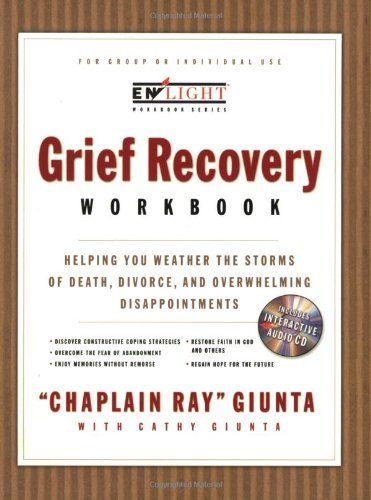
Resources: Search the ACCFS website for “grief and loss” or consider reading the book Grief Recovery by Ray Giunta.
Key 3: Painful Event Memories Will Not Feel Positive
Sometimes people believe if they have forgiven or ‘gotten over’ a hurt, the memory of the event should not hurt at all. This is simply not true. Memories of painful emotional events and struggles in life should not be expected to be pleasant. It is true we do not want painful memories to consume our minds. However, if hurts are intruding into our thinking and interrupting our days, then we need to consider what to do next to seek healing. Don’t be surprised if under certain circumstances you find a painful memory from the past comes up again. When this happens, commit the situation to the Lord in prayer, take a deep breath, and shift your focus back to the things you value most in life.
Resource: Search the ACCFS website for “overcoming hurt” to read an article called Overcoming Hurt by Dr. Ralph Woerner.
Key 4: Formal Forgiveness Process
Most of us know we are supposed to forgive. Ephesians 4:32 says it clearly, “And be ye kind one to another, tenderhearted, forgiving one another, even as God for Christ’s sake hath forgiven you.” However, many of us don’t know how to practically do the ongoing work of emotional forgiveness. This is where going through a Bible Study and/or a workbook on forgiveness can be very helpful. A book or study, chapter-by-chapter, can give us ‘mile-markers’ such as teachings, steps, skills, and stages to walk through and consider. The content is significantly more helpful than having your mind ruminate or spin on negative thoughts and memories. It can also be helpful to go through this book or study with a friend or mentor to help with accountability around the formal forgiveness process. Remember, while privacy is good, isolation is not. Isolation and internal spinning on painful emotional memories and bitterness will eat you up.
Resource: Read the Choosing to Forgive Workbook by Les Carter, Ph.D., or Forgiveness: Making Peace with the Past Bible study from www.acbookstore.org
Key 5: Know When to Escalate.
When life hurts, we seek ways to make the pain stop. Unfortunately, some of the ways to try to make the pain stop include stuffing our emotions and numbing ourselves. Sometimes trying to keep the hurt out of our minds leads to additional problems such as bitterness, health issues, addiction, etc. Other times, we simply can’t stop thinking about the hurt and it continues to consume us. If you are not experiencing healing from a hurt(s), please seek additional guidance from an elder, minister, mentor, or counselor. Counselors have training that can allow them to gauge if the past is truly in the past. When someone’s past is continually being replayed in the present, it is not really in the past. Below are some key indicators the past might need to be addressed:
- Is the past interfering with your ability to experience joy and have a positive outlook on life?
- Is the past interfering in your relationships with others (family, friends, coworkers, authority figures)?
- Is the past interfering in your relationship with God? (i.e., Can you view him accurately as a loving Heavenly Father?)
- Is the past keeping you from doing something that God is asking you to do?
Resource: Contact ACCFS at 309-263-5536 to schedule a free, 30-minute call with an ACCFS counselor to discuss your situation. The counselor can recommend helpful resources and tools and if needed, can provide a referral for counseling.
To view complete PDF, click here.
Further Information