


Christian Perspective on the Use of Marijuana
All things are lawful unto me, but all things are not expedient: all things are lawful for me, but I will not be brought under the power of any. 1 Corinthians 6:12
Intent and Purpose: Social acceptance and use of marijuana for recreation and as a remedy for numerous physical, mental, and emotional ailments has been rapidly increasing. Laws and norms around this use are regularly changing. This information is intended to be a tool to help individuals, parents, and churches to understand the issues and discern a biblical response. It was authored by members of the HarvestCall Medical Committee and Apostolic Christian Counseling and Family Services at the request of the Elder Body.
Summary statements:
- Use of THC-containing products including marijuana in all its known forms currently has little to no proven redeeming value (with the possible exception of a few prescription options under the supervision of a licensed health care professional). Christians should abstain from use, promotion, or production of THC-containing products.
- CBD-only products may have some possible helpful purposes but are currently unregulated and may contain some THC due to contamination. Christians are urged to be discerning and careful when evaluating the possible impacts on their health and Christian witness before using these products.
- All Christians should extend grace and understanding along with accountability and assistance to those grappling with marijuana addiction or dependance whether within or without the church body.
Why do Christians need to be discerning about marijuana1?
Marijuana has long been recognized as a recreational drug with addictive potential. Despite ongoing concerns about the risks of marijuana use, many states have been changing their laws to legalize marijuana use. There are many reasons for these changes including changes in cultural perception of marijuana, costs associated with enforcing marijuana bans, questions about the fairness of criminal justice practices, and hopes for tax revenues among many other factors.
As laws are relaxed, marijuana use is increasing. In 2013, 7% of Americans reported using marijuana and by 2022 usage increased to 16%. Among young adults aged 18-34 years old, 30% now use marijuana. Regular marijuana use is at 16% among adults aged 35-54, and 7% in those over 55 (1).
As with any cultural trend or movement, Christians need to be discerning in what we allow, embrace, or encourage so we do not dishonor Christ or fall into temptation or sin ourselves.
1Cannabis refers to all the dried parts (flowers, stems, seeds, and leaves) of cannabis plants. Marijuana specifically refers to the parts of the cannabis plants that contain THC and provide the feeling of being “high.” Other names for marijuana include weed, pot, bud, doobie, ganja, grass, and others. Hemp refers to a type of cannabis plant that has a very low percentage of THC. Hemp plant fibers can be used to make rope, clothing, and similar products.
Does the Bible prohibit marijuana use?
The Bible does not specifically mention marijuana so we must use biblical principles, Godly wisdom, the Holy Spirit’s guidance, and wise counsel to discern how to approach this topic.
1 Corinthians 10:31 exhorts the believer “Whether therefore ye eat, or drink, or whatsoever ye do, do all to the glory of God.” This is a standard by which we can examine many decisions as we wrestle with rejecting, redeeming, or receiving things not specifically mentioned in Scripture.
Multiple Scriptures speak to the ungodliness of intoxication by substances.
- Ephesians 5:18 exhorts us to “be not drunk with wine”.
- Galatians 5:21 places drunkenness among those sins which can prohibit us from inheriting the kingdom of God.
- 1 Timothy 3:8 lists that a bishop should “not be given to wine”.
- 1 Peter 1:13, 4:7, 5:8, Titus 2:2, and 2 Timothy 4:5 exhort the believer to be “sober-minded” with control over our words and actions. While it is impossible to be intoxicated and also be “sober-minded”, it is common for people who are intoxicated to believe they are thinking clearly.
Unlike alcohol (which can be used in limited quantities and maintain proper sobriety), THC containing products are always intoxicating (THC stands for tetrahydrocannabinol the main active ingredient in marijuana which provides the feeling of being “high”). In fact, surveys show that most people report using these products because they are seeking these intoxicating effects.
- When recent high school graduates were asked why they used marijuana they said: fun/enjoyment, conformity, curiosity and experimentation, social motives, boredom, and stress relief(2).
- Undergraduate college students said they it used for: being accepted by peers, managing emotions and moods, to lower sexual inhibitions, and enhancing social interactions and feelings of well-being(3).
- Users of marijuana on a longer-term basis said they used marijuana for: improved mood, medical uses, inspiration, new ways of looking at things, depression and anxiety, forgetting one’s worries, facilitating the enjoyment of entertainment, better sleep, and coping with boredom(3).
Rather than a desire to glorify God and a willingness to do the harder work of growing through adversity, dying to self, and working on relationships many of these reasons appear self-gratifying, or serve as a short cut to meet legitimate needs (e.g., trying to reduce anxiety or cope with pain). Because THC appears to have little-to-no redeeming properties at this time, Christians are encouraged to abstain from using any product that contains this chemical.
In contrast, CBD has been found by some to assist in reducing pain, helping treat insomnia, and reducing anxiety, and it should not be intoxicating if consumed by itself. CBD stands for cannabidiol, another main chemical in cannabis plants which does not produce the high that THC does. CBD is distributed in a variety of products including lotions, oils, and teas. Unfortunately, marijuana derived products are not regulated at the level of prescription medications. There can be, and often is, considerable contamination of purported CBD products with THC (4). The package label may or may not reflect what is in the actual product. Individuals using a supposed CBD product may test positive for THC in a urine drug test with implications for both their work, home life, legal status, and Christian witness. Christians should be cautious and discerning in using CBD. If in doubt, it is wise to abstain.
Are there medical uses for marijuana?
“Medical marijuana” should be understood as a cultural or political term that does not reflect the practice or views of most health care providers. Cannabis for medical use was legalized by multiple state governments, often to decriminalize cannabis, before medical science had established cannabis as a safe or effective treatment for any medical condition. Most products are marketed directly to consumers and do not require a medical evaluation, or prescription to purchase or consume. The choice of what to grow or purchase and the amount or method to consume cannabis products is solely up to the consumer with the advice of an employee at a cannabis store, who is not required to have any specific medical training.
Patients and families sometimes wonder about the potential use of marijuana in palliative or hospice care for things like cancer pain, nausea, and vomiting. Seeking to have quality of life when navigating complex illness and/or end of life care, is a challenging matter for all that go through this. The choice of treatments (or ending treatments) at these times is a matter of conscience that the impacted individual, their closest family advisors, and their healthcare professionals must navigate together, by God’s grace and wisdom (5) (6).
Two FDA approved medications (Epidiolex and Marinol) are currently used as treatments of last resort respectively for select types of seizures, and nausea/vomiting related to cancer. There are many safer and more effective medications available to treat these conditions that are used first-line. Most doctors wait for high quality research to prove the safety and efficacy of a treatment before they incorporate it into practice. This derives from a desire to avoid harming patients and attempting to promote their good (principles that align with Scripture).
Research on cannabis as a treatment for disorders such as PTSD, anxiety and depressive disorders, and chronic pain currently shows conflicting or inconclusive results that do not meet usual standards of care. In addition, studies increasingly show lack of effectiveness for marijuana as a medical treatment and more risks and side effects associated with its use. Since the scientific evidence continues to show a lack of safety and effectiveness for cannabis use, the medical community often tolerates, but rarely recommends, cannabis and its related products (7) (8).
What about growing or selling marijuana?
Several scriptural principles should be considered when examining whether a Christian should engage in the marijuana or economy by growing, supplying, or selling marijuana/THC containing products.
- Ephesians 5:7 and 1 Timothy 5:22 exhort Christians to not partner or participate in another’s sin.
- The principles found in Leviticus 25:17 & 35-43, Proverbs 22:22-23, and Ezekiel 34:1-10 all speak to God’s expectation that his people do not take advantage of the weakness or vulnerability of others.
- 1 Corinthians 6:12 and 10:23-24 teach that just because something is legal or allowed, that does not mean it is beneficial and Christians should consider the impact of their choices on others.
- 1 Corinthians 10:32-33 and Romans 14:13 teach Christians to not cause another to stumble or fall into sin.
- Romans 15:1-3 reminds us that we should not live to please ourselves but should help others do what is right and build them up in the Lord according to the example of Jesus Christ.
- Galatians 6:4 and 2 Corinthians 13:5 exhort each believer to examine themselves carefully rather than others. So should we examine our own hearts and motives in this matter and ask the Spirit to give each one clarity in how to apply these principles in their work and life.
- 1 Thessalonians 5:22 exhorts us to abstain from all appearance of evil.
Since marijuana and other THC containing products have no present redeemable uses that glorify God or build others up, Christians should not participate in providing, producing, or promoting these products.
CBD may have some value and is much less harmful based on the information that is currently available. However, as stated above, these products may be contaminated with THC, even from careful manufacturers. Caution and discernment with an eye to the welfare of others over our personal benefit or financial gain is encouraged. Our primary concern must be to present an upright Christian witness in this world.
What are the risks of using marijuana?
There are many health concerns related to marijuana use. These risks increase in direct proportion to how young someone starts using marijuana, frequency of use, and the potency of THC in the product.
Marijuana can inhibit healthy mental and spiritual development. Because marijuana can quickly relieve feelings of anxiety and troublesome thoughts, many will use marijuana to escape their feelings rather than using difficult situations to strengthen their faith, build resiliency, form deep relationships, learn patience and/or seek support. For these individuals, marijuana will stop or inhibit necessary emotional, mental, and spiritual development.
Marijuana is addictive. Again, because marijuana can provide effective immediate relief from distressing feelings, marijuana remains an addictive chemical. About 1 in 10 people who use marijuana will develop symptoms of addiction. This increases to 1 in 6 if an individual starts using marijuana before the age of 18. There is also an increased risk of trying additional substances and developing other substance use disorders among current marijuana users (9).
Marijuana causes mental health problems. In susceptible individuals, especially with high potency products, daily use, or use before brain maturation at age 25 marijuana use increases the chances of developing psychosis (i.e., losing touch with reality and having hallucinations and delusions) by nearly five times as compared to people who have not used marijuana (9). Sometimes these symptoms can be temporary and wear off as the drug leaves the body, but for other individuals marijuana use will trigger the development of schizophrenia; a chronic disorder with hallucinations and delusions (9). Individuals with a personal history or family history of psychotic symptoms for any reason are at an increased risk2. In addition, there is evidence that marijuana can actually increase anxiety levels in certain individuals over the long term (10).
Marijuana can impair learning, concentration, and sleep. Marijuana use is known to negatively impact concentration, memory, and learning. Long-term and often permanent side effects include loss of IQ up to 8 points, which is a rather significant reduction (9).
Marijuana worsens or contributes to other medical problems. Many health issues are known to develop or be exacerbated by THC consumption.
- Marijuana use is associated with an increased risk of heart attack and stroke. Risk increases with the number of days per month marijuana is consumed(11).
- Those who consume marijuana daily may develop cannabinoid hyperemesis which is characterized by abdominal pain and excessive vomiting – often requiring emergency or hospital care to treat dehydration and manage symptoms(9).
- Marijuana products with THC increase the risk of seizures.
- Those who smoke marijuana may develop bronchitis or a chronic cough.
Marijuana poisoning and toxicity can occur. Some forms of marijuana allow for extremely large doses to be consumed in a short period of time leading to overdoses that require emergency medical treatment. Individuals may inadvertently consume marijuana containing products thinking they are simply candy or other treats (9). This can be especially dangerous for children.
How have marijuana products changed over time?
Current available THC products are not the same marijuana that Baby Boomers and Gen-Xers may have experimented with in their youth.
- The THC content of cannabis has been rising through selective breeding of plants and other manufacturing processes. Marijuana in the 60s and 70s was likely under 5% THC. THC content in 1995 was still around 4%. However, a comprehensive study has shown the trend in THC levels seems to be continuing to increase in recent years, with regularly reported levels as high as 12% in 2014 and 15% in 2018(12).
- The ability to concentrate THC in certain plant strains, vapes, dabs, and edible products means that individuals today can consume increasingly potent products than were previously available or possible to consume in a smoked joint of the past.
- Marijuana products are also easier to use than in the past, especially for younger consumers. Candies, gummies, pills, and vapes all make it easier for individuals to consume marijuana in higher quantities and at greater convenience without the smell or other issues related to smoking marijuana.
These factors all make marijuana both more addictive and more dangerous than in the past.
How should Christians approach existing marijuana use and addiction?
Marijuana use, dependance, and addiction should be addressed with grace and truth, understanding, discernment, and compassion remembering we each strive against our natural propensity to sin in some way or another (I Corinthians 10:12). Christians are exhorted to not associate with believers who openly indulge in sin, including those who are drunkards (intoxicated) (1 Corinthians 5:9-11). This same passage also teaches understanding towards non-Christians lost in sin, otherwise we would never be able to fulfil Christ’s great commission to make disciples of all people (Matthew 28:18-20).
Like any addiction or habit, stopping marijuana use can be very difficult. Having support from a church family that surrounds the individual in grace and truth is very important. Several scriptures exhort us to follow Jesus’s example in gently helping those who are struggling or lost in sin (2 Thessalonians 3:15, Galatians 6:1, 2 Timothy 2:24-26).
Individuals can experience physical withdrawal symptoms that are hard to endure if they abruptly discontinue marijuana after regular use. Experiencing these symptoms reinforces to the brain the necessity of continued marijuana use in the same way that experiencing unpleasant hunger drives us to eat again. Support/recovery groups, mental health therapy, and rehabilitation programs are often needed to treat marijuana addiction.
While there are currently no FDA-approved medications for the treatment of marijuana use disorder, medications can be used to treat underlying conditions such as anxiety, insomnia, or pain to help prevent relapse and reduce the intensity of withdrawal symptoms. Working with a licensed medical professional to find appropriate treatment is often a helpful part of treating marijuana addiction or dependance.
Since habitual marijuana use will impair learning and the development of healthy coping skills, many individuals who stop marijuana consumption also encounter significant difficulties as they try to learn skills that were not developed or matured while using marijuana. With encouragement, discipleship, grace, and patience the person can “catch up” in their development as they are able to abstain from marijuana use.
To view complete PDF, click here.
1Cannabis refers to all the dried parts (flowers, stems, seeds, and leaves) of cannabis plants. Marijuana specifically refers to the parts of the cannabis plants that contain THC and provide the feeling of being “high.” Other names for marijuana include weed, pot, bud, doobie, ganja, grass, and others. Hemp refers to a type of cannabis plant that has a very low percentage of THC. Hemp plant fibers can be used to make rope, clothing, and similar products.
2 It should be noted that since previous generations did not openly discuss psychiatric symptoms or mental illness many individuals may not be aware of a history of psychotic symptoms or schizophrenia in their family.
References
- McCarthy, J. What Percentage of Americans Smoke Marijuana. [ Retrieved from https://news.gallup.com/poll/284135/percentage-americans-smoke-marijuana.aspx on 22 February, 2023.] s.l. : Gallup, 2022, August 15.
- Lee CM, Neighbors C, Woods BA. Marijuana motives: young adults’ reasons for using marijuana. . [Addict Behav. ] 2007 Jul;32(7):1384-94. doi: 10.1016/j.addbeh.2006.09.010. . Epub 2006 Nov 13. PMID: 17097817; PMCID: PMC2723942..
- Beck KH, Caldeira KM, Vincent KB, O’Grady KE, Wish ED, Arria AM. The social context of cannabis use: relationship to cannabis use disorders and depressive symptoms among college students. . s.l. : J. Addict Behav. , 2009 Sep;34(9):764-8. doi: 10.1016/j.addbeh.2009.0.
- Erin Johnson, Michael Kilgore, Shanna Babalonis. Cannabidiol (CBD) product contamination: Quantitative analysis of Δ9-tetrahydrocannabinol (Δ9-THC) concentrations found in commercially available CBD products. Drug and Alcohol Dependence. 2022, Vol. 237, 109522.
- Zanker T, Sacco J, Prota J, et al. Medical Marijuana for Pain Management in Hospice Care as a Complementary Approach to Scheduled Opioids: A Single Arm Study. American Journal of Hospice and Palliative Medicine®. 2023.
- Roychoudhury P, Kapoor AK, Walsh D, et al. State of the science: cannabis and cannabinoids in palliative medicine—the potential. BMJ Supportive & Palliative Care. 2021, Vol. 11.
- Agenda, Committee on the Health Effects of Marijuana: an Evidence Review and Research. National Library of Medicine. National Center for Biotechnology Information. [Online] Jan 12, 2017. ncbi.nlm.nih.gov/books/NBL425741.
- Bailey, SR. Questions Still surround Cannabis Use and Public Health. . s.l. : AMA, 2021, April 9. Retrieved from https://www.ama-assn.org/about/leadership/questions-still-surround-cannabis-use-and-public-health on 22 February, 2023. .
- Is there a link between marijuana use and psychiatric disorders? [Online] May 8, 2023. [Cited: August 31, 2023.] https://nida.nih.gov/publications/research-reports/marijuana/there-link-between-marijuana-use-psychiatric-disorders.
- Stoner SA., June2017. Effects of Marijuana on Mental Health: Anxiety Disorders. [Online] June 2017. URL: http://adai.uw.edu/pubs/pdf/2017mjanxiety.pdf..
- Association of Cannabis Use With Cardiovascular Outcomes Among US Adults. Abra M. Jeffers, Stanton Glantz, Amy L. Byers and Salomeh Keyhani. 2024, Journal of the American Heart Association, p. 28 Feb 2024 https://doi.org/10.1161/JAHA.123.030178.
- Changes in Cannabis Potency Over the Last 2 Decades (1995-2014): Analysis of Current Data in the United States. ElSohly MA, Mehmedic Z, Foster S, Gon C, Chandra S, Church JC. 7, s.l. : Biol Psychiatry, April 1, 2016, Vol. 79.
Further Information
Vaping Podcast Episode
The cigarette is falling out of favor with the general public. Stepping into its place and gaining favor is the modernized e-cigarette. In this episode of Breaking Bread, Dr. Aaron Plattner helps us understand the growing appeal of vaping.
Marijuana Podcast Episode
Acceptance of marijuana is sweeping across America. How should Christian’s think about this drug in today’s society? In this episode, Dr. Aaron Plattner provides some very welcome biblical discernment.
Additional Articles
What Do We Crave? Podcast Episode
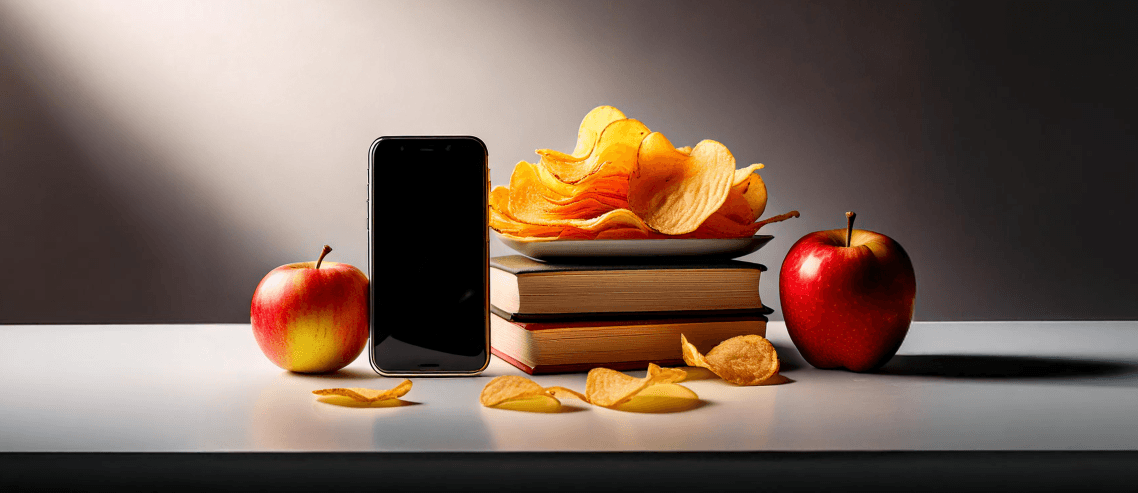
What is normal? In a world of air brushing and curated content, it can be illusive. Yet, having a good compass toward knowing normal goes a long way toward good mental health. Studies have shown that supernormal stimuli can have a damaging effect on our brains. In this episode of

Vaping Podcast Episodes
The cigarette is falling out of favor with the general public. Stepping into its place and gaining favor is the modernized e-cigarette. In this episode of Breaking Bread, Dr. Aaron Plattner helps us understand the growing appeal of vaping.
Substance Abuse and Dependency Assessments
Determining how serious a substance abuse issue is a challenging, but important task. Getting an accurate understanding of an individual’s substance use is key to getting them to the right level of care. One of the challenges in assessing substance abuse and dependence is that it is common for people
Comments
Leave a Comment