

Aging with Intention Podcast Episode
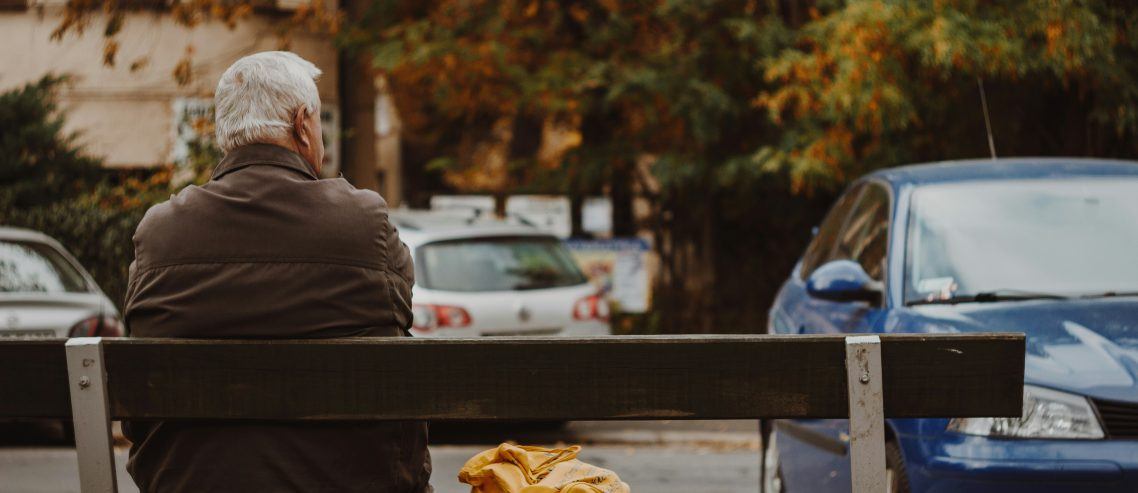
To be human is to age. To age well is to transition. To transition well is to adapt. In this episode of Breaking Bread, Ron Messner and Lori Wiegand encourage us to be intentional in the aging process. In so doing, we find abundance of life where scarcity may have been assumed.
Show notes:
Finding abundance instead of scarcity in the last third of life is a function of intentionality, acceptance, and adaptation.
1. Intentionality:
- Making healthy choices.
- Having needed conversations.
- Making future plans.
2. Acceptance:
- Making peace with new realities.
- Letting go of old norms.
- Letting go of old possibilities.
3. Adaptation:
- Finding a new identity.
- Welcoming new norms.
- Finding new possibilities.
Transcript:
You spend your entire life doing this list of things. I’ve accomplished this, and you check it off and you have less of a checklist and more of an opportunity to be there for other people. Welcome everyone to Breaking Bread, the podcast brought to you by Apostolic Christian Counseling and Family Services.
Excellent as always, to have you along. My name is Matt Kaufman. I’ve got two individuals in the studio here today. Lori Wiegand is with us. Welcome, Lori. Thank you. Lori’s been on board for about six years. And you just wrapped up a profession, is that even a thing wrapping up a profession?
Is that true? Yeah. Tell us a little bit about that. Well, I worked as a nurse for many years and then I went into nursing administration for the last 20 years. And so, I had various roles that really pushed me a little bit and that I really enjoyed, but now it’s on to other things. Yeah.
Well, Lori just downplayed her effect and her position there at OSF, but thank you Lori, for being on, and the topic that we’re going to talk about will call on her expertise and her experience. Ron Messner is with us. Welcome, Ron. Great to have you here. Good to be here. And so, our topic is on this idea of aging and the shape that life takes.
Lori, you saw patients. You saw the human body in ways that few do but you saw life take place. And Ron, at Life Points as well as being an elder you saw life. Yeah. Probably more in church as people move through roles. And one thing to recognize, and we came to this realization, is that we are a bit scarce in resources for second half of life.
This isn’t the second half of life if we’re going to move into this. Realistically, we’re in the last third or last quarter. Well, I was going to let you say that, Ron, and not myself. No, but I think it’s real because the second half is kind of mid-career. Yeah. When you think about what you want the rest of your career to look like.
This is post-career. Yeah. Post parenting. This is how to finish well. Ron, that sets up today’s conversation really well. I remember having a conversation with my grandmother and she looked at me and said, Matt, this is the hardest thing I’ve ever done, growing old. And it caused me to pause and it really warrants resources and aid and support for this last third.
I would agree. My goal as we go into this is to help people know this is a good time. If you keep your perspective that you still have value and purpose and meaning that it’s not the end. Yeah. Well, I think let’s go right there to unique challenges. So, what are some of the challenges? Ron, you’ve already mentioned a few, but what are other challenges of the aged?
You know, I think part of it is that challenge of transition time. You start out and spend your entire life doing this list of things. I’ve accomplished this, and you check it off and you have less of a checklist and more of an opportunity to be there for other people.
You can still care for other people. You’re no longer responsible for your children or grandchildren even. But you get to be an encourager. And that’s exciting. So, I think I really like how you worded that. Or, in some ways, our identity moves closer to being than doing. Yes. I know you have grandkids also, but there are things you do that are exciting to them, but your being, when they come in the door, there she is. Yes. You know, it’s the existence of this person who cares and that’s a good thing. You don’t have to be doing something to add value. That’s different than when you were younger when you needed to produce. Your existence didn’t add as much value. It’s what you could contribute. And you have time to do that, right? You have the gift of time, which you may not have had before.
For sure. So, you can speak from your own experience. You can speak from those that you’ve observed as well. But is that a natural thing? Do people naturally go from doers to be-ers or is there something else? You mentioned the transition, Lori, is that a conscious thing? Because I would imagine that comes with a bit of pain. I think that’s going to vary a lot. I’m interested because I think men and women may process this differently.
Was that a hard transition or is it, I mean, you’re still in it. Is this pretty fresh for you? Yeah. You know, I watched other people struggle and so I felt like I had a gift to be able to learn from other people. And I saw men and women struggle to give up the doing and to find joy in the being.
And I can get up today and I can say what I want to do today, or I can spend more time with my grandchildren than I could before. And so, I am able to take advantage of that. But sometimes you have to stop and remember, my value isn’t in this list of things anymore, or even in the things that I want to do today.
Whatever comes be open to it. I think it’s really wise to step into that. I don’t know if this is different for men and women, but I know for me, a key part of retiring well was still having things to do. And the fact that when I retired from Life Points, there was still the eldership and when I retired from the eldership there was still this at ACCFS. And if I have a day when I don’t have any of that, I get up a little sluggish. So, there’s still that need to go and do but a very different mix. It’s okay for me if it’s one thing. And the rest of the day is about maybe things I want to get done or just reflect. So, for sure it’s a change, but I really encourage people to think about what they do, not to depend on it, but you can contribute. And I think there you have to be creative in looking at that.
So, as you think about doing this last third, let’s make this maybe sober realization that if we’re going to talk about doing it well, it can be done unwell. What does it look like to be done? Well, it’s a long time ago, but there were statistics about people retiring and particularly men. I think at one point the average lifespan post-retirement was two years. But that was looking at production workers and there wasn’t any planning for post work, so retirement meant quitting.
And I think in a healthy retirement, it’s reallocating, or reassigning, or re-identifying. And so, I think doing it well is having things to move into. That actually was the key step of it. He said he had gotten the advice, don’t make any major commitments for the first year, then think about consulting or things like that, but it still was focused on thinking through who you are now. Don’t just quit. So, I think retiring is an extremely unhealthy thing to do if you mean quit. If it means leaving your profession or your lifelong job and moving into other things that’s different. I think of retirement as retirement from that responsibility, but not retirement as quitting. And I think that’s true for men and women that it is unhealthy to quit.
I think that’s a really good way to coin that. Because I think you have to be moving towards something. Yeah. That gives you purpose. Even when I say I’m going to be. That’s still active. You have to actively be still and listen to God. You have to actively say, okay, I want to be joyful. I want to be, I want to choose to lean into this. And if you don’t, you just retire and quit and sit and look very quickly, you can find all the things that are wrong with it. And there’s so much that I want to do. But yet there isn’t time to do all of those.
So, how do you make sure that you’re choosing wisely because you have a third of your life yet to use. Lori, I’d like you to speak a little bit about the body. Certainly, when we talk about aging, the body has a lot to do with that. Wow. Right? Yes, it sure does. And that has to have a shape to it as well in this whole thing, right? It does. And you know, we’ve all made lifelong choices already so our bodies may be in different states just because of choices that we made or just because we’re getting older. And so, absolutely, you have to make sure you are getting the right things to eat. Are you getting the exercise that you need? Are you leaning into sleep? Are you choosing those things that will make you feel better as well.
And I didn’t worry about them as much before, but yet if you don’t have the reserve, you can’t just go without sleep as much as you could before. So, I remember this morning probably on social media, they were talking about some doctor who predicts a mid-seventies crisis, a distinct change in health, but that it can be managed or delayed with good diet, good exercise, and good sleep. And there were a couple other things, but how much the importance of those changes, you are not going to age well physically in a passive way.
Right. You need to step into it. Choices become almost more important, I think. Oh, I would agree now more than they ever were. You know, because if you don’t choose, then you just sit and nothing’s going to work. Well, yes. Now speak a little bit about that spiritual emotional impact that your bodies have, because they certainly have that as well, right?
The loss of the ability to play tennis or something like that which was really important. Or the loss of the ability to drive the car, right? The loss of ability. That is a really pivotal time in a person’s life. Right? What impact does that make on a person? Now we’re getting into the hard part, but I think being intentional is important.
If you plan for what you will do when your vision is not good enough to drive, as opposed to waiting till you can’t. So, my wife and I vacation different than we did when we were young. We like a vacation that’s active, but not as active as it was when we were young. And the only way to avoid that loss is to figure out how to adapt to it.
And I would say that’s true. Both of us are in reasonably good health and active, but what do you do if you’re in a wheelchair? How do you make it? And you have to accept the loss. I mean, one of the things we talked about in planning this is that denial is not a good coping mechanism. Not for this. It is for some things. But not for noticing and accepting the stage of life you’re in and the changes and who I am going to be.
And I think that’s true spiritually. Some people struggle with end of life because death looks close and am I ready in all those pieces? And working through, what does peace look like when you know that death is closer than what it was? You can’t any longer say it’s not relevant now that it’s moving closer than it was. What does it mean to be spiritually at peace with that? Yeah. And I think it takes intentionality. It takes looking at even maybe different Scripture than we might have when we were younger.
It was fascinating. Ron, as you talk about intentionality. You really pull out some of the same plays that the first half person is doing. Who do they want to be? Who are they growing to be? What skills are they growing? What are their preferences, right? And making life choices like that.
And you’re pulling some of that same playbook to say you need to be intentional. What I hear is some adaptation; accept and adapt. Yeah, I really like where you’re going because you think about a plant and how you plant it and water it and you do all that, you know, that’s what your life is like. But you still have to plant and water. You still have to make sure you’re fertilizing and cutting back dead wood on yourself. And if you don’t choose to do that, all of a sudden you have a major problem. Whereas if you can identify what your issues are early. And say, okay, I’m going to choose to look with joy at this transition.
There’s a lot to unpack here. Yes, there is. I like the metaphor of the plant. I like noticing when somebody builds a house and they put in new landscaping and it always looks really exciting for about two and a half years. Yeah. Because they weren’t pulling things and pruning things and you can keep landscaping looking good for the life of your house. Yeah. But only with intentional work.
When we’re young, we all look good for a brief period there. But after that, it takes work and you can do that on all days. Right. And to your point, now this vacation’s going to look different because we can’t do this any longer. So, we’re going to prune this part of it off. Yeah. We’re not going to have these experiences anymore. No, for sure. Or we’re going to have different experiences. It’s funny when you say that. We’re going to go to Hawaii. We’ve never been there, but we’re doing a cruise, so we don’t have to find places to stay and we’re taking excursions.
One of them is a bike ride across one of the islands and seeing all the active volcanoes. And I thought, man, that’d be fun. I think, no, that wouldn’t be fun. We need to choose a different one. And maybe they have a bus that goes to two of them. And we would do that and enjoy seeing it, but it still bugs me that we can’t just rent a couple bikes and just take off and do that.
So, it’s not all simple. It takes work to let go and say, yes, we can do this but in this scope. So, your story illustrates just perfectly three words that you raised. One is intentionality, being thoughtful and doing some planning. Yeah. Another one is accepting something. It’s a huge one. Something that you preferred not to give up. I’d love to be able to do that. Wasn’t that great when we could? Maybe we should. Nope. I know better. We won’t. Right. Okay. Accepting that but then this adaptation and doing something different. I’m curious in your perspective, do you see some late life aging folks where they don’t accept or maybe they just don’t adapt when they could have adapted and they left some life on the table.
Absolutely, and I think Ron talked about it a little bit earlier. You know, driving is an issue that we talk about as people age. Should we? Can we? You know, somebody’s eyesight being not as good as it was is different than a problem mentally as well. If you can lean into that and adapt to that, it becomes a choice for you versus, okay, now we have to deny you something.
And how do you retain that choice? By adapting, yeah, I would agree. Amazing. That’s easier said than done. Yes. We don’t have to investigate all of all of these different categories, but I’d be glad if you gave some more categories, Ron, of places where you need to have intentionality, you need to have some acceptance, and you need to have some adaptation and find that there’s good quality life still there when perhaps you might think that there’s not.
Yeah, there are so many, it’s a little hard to pick, but ones that come immediately to mind and probably I would say the first is identity and purpose, which we’ve talked about some. But in many ways, that’s more important than driving or health or parenting, so that’s really high.
We’ve also referenced this, and it’s not our favorite place, but we have to address just the health and life piece that you can’t ignore because you need to take care of it, but also just because it’s a reality. If you don’t step into the fact that piece is not there. I think of parenting in terms of people doing it well. I’ve seen people continue to parent their 40-year-olds as though they were their 18-year-olds. That is really unhealthy for both. And others who have moved into a totally different model of parenting their 40-year-olds and it’s great for both.
But that requires thinking through who I am. Is it okay that I don’t continue that? But it’s still an adaptation. Is that what I’m hearing? I think if you interviewed 30-, 40-, and 50-year-olds, they would like their parents involved, but in the right way. And that requires change for both parties, but I think probably more so on those of us who are moving to maturity or old age or whatever you want to call it, to think through what value do I have to offer?
So, I think that’s really important. I think one which we’re addressing, we won’t go into detail here, but just for those who are married, how to maintain a romantic and intimate relationship, which looks very different than what it did before, but it’s incredibly important to us in terms of who we are. We have to accept the changes and think through what that looks like. That one and all of these here especially if we are in a marriage. Growing older together in a marriage requires communication. Seems like communication is at a premium during this time of life, too. Yeah, I would say probably more so than when you’re younger when you’re on pace together a little more. Now it’s like, how are we going to do this? You know? What will that look like? And you can see some couples move toward bitterness because they don’t talk. Not only do they not accept it, but they don’t check where the other person is. So, their demands on the other person or what they expect of them stay a little bit rooted in the past as opposed to talking through what does it look like now that we’re in this place?
Yeah, I think it’s really big there, that communication between two people trying to age together and accept their own changes while also being aware of the other one changing as well. And sometimes it’s hard to say, I can’t do this by myself. I could have cleaned the whole house in an hour and a half 10 years ago, but I can’t, and we’re going to have to do this together. And sometimes it’s hard to either be the receiver or the giver. It changes the relationship. Yeah. I think an example of that as people age they once liked to entertain and have people in and put on a big dinner, but it overwhelms them just emotionally.
They probably still have the skills to do it and need to move toward either a lunch call or go out to eat and sometimes the other spouse is not ready for that change. Yeah. And will push them. That’s a great example of entertaining a large group and they’re putting pressure on where the person has the skills. But pulling together the energy and the planning for that feels overwhelming. But if you talk about that there’s an alternative which can be meaningful but otherwise it turns into tension. If it’s not talked about, it turns into tension.
Even Matt, we didn’t talk about it, but I think it’s an important piece to touch on some of the cognitive changes that happen and how you deal with that. We always use the hearing one because it’s the funniest one, but it’s not funny at all, about they’re selecting not to hear but they couldn’t and how the hearing aids are working. And that has a major impact on life. Yeah. And so that’s not cognitive, but it starts into that area. And we’ve all watched couples, I told you that, you did not tell me that, I’m sure I told you that. Yes. And this decision that we have to make about it.
So, in my opinion, couples need to agree not to do that. You might have told me, you might not have told me, you could have forgotten, I could have forgotten. But we just repeat it now. We don’t disagree or fuss over who remembered it correctly. Oh, I just had an epiphany because I’ve heard just that play. You’ve never heard anybody do that? No, no. Never. But I’ve often wondered, you know, I’m not sure it matters if it’s Tuesday or Thursday, but if it is a confession of my growing inability either to remember a thing or to hear a thing. Now all of a sudden, it’s personal. Right. It’s very personal. Matt, I remember until you’ve just played that out. I see it now in the context of this conversation. It’s kind of personal. Yeah. Which that’s something we go tit for tat about.
Otherwise, anyway, it’s interesting, but if you don’t think about it, we’re going to lean into this and we’re going to give each other grace. I’m not going to try to tell you that it was Tuesday when you said it was Thursday. You know? But we don’t intentionally do that.
That is key. Lori, I’m sure you’ve seen, and this is not about names, but I’ve watched couples where one is going into dementia a little bit and the other one is so frustrated because, well, you know them or we were just there, which does nothing. They’re expressing their frustration. Yeah. They’re not correcting the person and not accepting that maybe somebody’s a little way into some cognitive loss. The fact is you did tell them and you know you did, or it happened. They were over here, but they don’t know that. How do you graciously step into that?
Let’s go into the sacred space. I think one of the beautiful advantages that I have being in an active church that’s multi-generational, is I can list off half a dozen men who are walking with their failing wives or wives walking with their failing husbands in some incredibly selfless ways. That’s so amazing. Right? And so, we have that, right? It’s not hard for us in our community. Speak a little bit about that. Neither one of you is in that situation, so you’re not speaking from personal experience, but certainly we do forget more than we’ve told each other. If you want a confession from the Messner household, not in that place, but I want to just share about a couple we knew.
They were relatives of my wife, and the wife was pretty significantly losing cognition, and he was the most incredible example of grace. I remember one time, I don’t know. He said, I’ll just go check in the car. It wasn’t, did you forget it or it’s in there? And then it moved into she loved sending out Christmas cards and he knew what that meant to her. And the next year, the Christmas cards still came with both their names on them because that was meaningful to her. He did it and signed both their names.
Some people might say he covered for her, but I don’t think so. What he did is go around forgetfulness and maintain her dignity in a way that I just thought was beautiful. There was another example. Somebody else actually told me this. It was his mother who was becoming forgetful and how graciously his dad handled it, and she loved to garage sale. So that happened on Thursdays. They didn’t need any of this stuff, but he just knew that that it was meaningful.
So, they would go out to garage sales on Thursday mornings, and then she went to the hairdresser, and he took all this stuff to a local thrift shop and gave it to them. She had no idea. They picked it up, but she forgot it after they bought it. So, she had the pleasure of doing that with him, and he found a way around figuring out what to do with this stuff. It was about maintaining her dignity and still letting her enjoy what she enjoyed doing.
Okay. I think that was beautiful. So, the three words, intentionality, acceptance, and adaptation. Right. The examples you gave of these men and women aren’t about doing something for their own life, but they have been intentional about loving their spouse. They have accepted some things about their spouses. Right? And they have made adaptations for that loving spouse in just some tremendously profound ways. I think part of that adaptation is about them being able to give up. I’m not going to get what I used to get. Yeah. You know, the affection or the feedback or affirmation because they don’t have it to give, but an acceptance that they don’t.
So, I’m going to love them anyway and extend grace into that as opposed to living the frustration of it. Yeah, I know in both those cases, they had to be frustrated. Yeah. They could not have been, but for them this stage of life was about this is what her needs are, and this is how I give back. And they adapted to doing that.
Yeah. Those are my two examples where I was like, I’m going to live into that. Yeah. I’m going to do like those two. That’s inspiring, isn’t it? Lori, you’re a nurse. You lived with life and death. You saw it every day. Has that given you a perspective of death, maybe differently or even conversation with your husband or family?
Yes. When we talk like that, I step back and I think about all the times I saw many people take their last breaths. And many different families and how they reacted. And so, there was an opportunity to say, I want to be like that, or, I don’t want to come to the last breath of a loved one thinking that we’re going to make some changes here.
Wow. Because you’re not going to at that point. So yes, there were definitely some benefits to seeing that. But I have to also say something that I really enjoyed was getting to spend some time with my parents, as my mom was failing. And I got to see my parents in a little different manner than I had.
And so, as we move into this period of time, how do we make sure that we’re allowing people in like that? You know that we are leaving space for those that can be with us and learn. Because I got a gift in the last years from my dad that I wouldn’t have had if he hadn’t taken care of my mother.
And then he wanted to spend time with us. And so, I guess I want to be the one that wants to spend time with other people and not just do the things that I want to do. That’s really sweet. I think that’s really helpful as we talk about the lifespan, that there are unexpected windows that open up, unexpected opportunities with relationships that all of a sudden in this unlikely place, I have an opportunity that I’ve never had before.
I think that provides a lot of hope. And that’s true with grandchildren. That’s true with the church family. Yeah. It’s true that there are opportunities for somebody who may say hardly anything, but they’re there every Sunday. To give that example, I recently had an elderly man, we happened to get to church early, and he was sitting on the back pew and he said to me, I would just so like to get to people and I’d really like to get to your husband, but I can’t because I’m not mobile.
Wow. And I thought to myself, I’m not sure I saw that before. So how do we make sure that we see those that we know and reach out. Okay, so there’s an important population that I wanted to talk about here, and I think that is a good segue into it, Lori, and seeing people, and that is the aging single person. Even if we’re married, chances are one of us is going to be single. Right. Most likely. So, the aging single is unique. Yeah, I think it’s important. We’ve talked a lot about adapting and how to make it healthy, but there are some hard things. And that’s one person who’s left out.
And I think one of the things, if you can do it, is look around to see where that works well. It’s having an advocate that you’re comfortable with. So that might be a friend or a sister or a child. Someone, maybe a niece or a nephew. Someone who can go with you to the doctor’s appointment when your hearing’s not good enough to catch at all. Or when they’re saying too much too fast, and you just can’t process it. I mean, that is a part of aging.
Even when we’re not stepping into cognitive loss, we can’t hear it as fast and I wouldn’t say the medical community is great at adapting to that. I totally agree. So having an advocate to step into those things, not to fight for us, but just that we can say, what do you think? And when my mom was widowed, my nephew stepped in financially. He didn’t have to do anything, but she needed someone to go with her when she went to have her taxes done or when she went to change some investments, it was overwhelming to her, and she would’ve managed that before.
He just went with her and then that night explained, Grammy, here’s what we did and then that’s okay. But to be thoughtful about the fact that you need an advocate or whatever term we want to give a support person, I think that’s really important. And finding the grace to accept that help. Sometimes to ask for it, because they may not always step in first. Well, and you had made that point previously, Lori, about your folks allowing you in. Yeah. And that’s an important thing. Speak a little bit, maybe as we bring this to a close, to young people, speak to the church. You know, we all do life together, right?
What are some points that we should be hearing? So, one, don’t talk about us when we’re not there. We know good and well that our kids are talking about. Did you notice last time we were there; Dad wasn’t as quick on his feet or whatever that is. And we know it because we did it. I would just say, include us in this discussion about how you think we’re doing.
There was a lady I worked with sometime ago when she was in her early to mid-sixties. She bought a car and her kids said, well, that’ll probably be the last one you need. And she thought, it is not. So don’t be too presumptuous. Your parents might have more life and time left in them or may want to do some things that may surprise you.
Be, just be there for that. Don’t sell us out before we’re ready to be sold out and encourage us in it and then be there when the losses happen. Whether that’s a loss of a spouse or having to sell the house and move or a major health change. Just be there for us and for sure, young people are in the busiest part of their life. I don’t know Lori, if you’d say this too, but I think we’re a little reluctant to ask them because they’re very busy and there’s a piece there that’s a little hard to navigate. Like we could, so in case my kids are listening, this is not about that. But when we get to the place where we need them a little bit more. We’re not always ready to ask and we don’t want to presume, and it’s helpful if they see needs and will step in and say, would you like me to help with that? That’s a really big gift in everything from trimming the landscaping or redoing the garage or getting ready to move. And if we don’t need help, we’ll say so, but offering is really a gift from our kids or, whoever that is, depending on our marriage status.
But yeah, I think that’s really well said, Ron. I would want the young people to know how much we value their input, their thoughts. You know, we’ve created a whole life where we’ve been mothering and fathering, and we still really want to know what they’re thinking.
So, share their thoughts. I read something the other day. I thought it was great. I haven’t used on my kids yet, but when we ask our kids to help with the computer because it’s overwhelming us and when they make fun, this man said, I reminded my son, I taught him how to use a spoon. Oh, that’s really good.
I’m keeping that in the back of my mind. Some people hit old age without adequate finances. We talked about adjusting to changes of losing a spouse, but a fair number that’s a sudden loss before they’re ready. Yeah. And we need to be realistic about that also. I don’t have a good answer for that, but old age does include the possibility of more tragic losses that don’t have a good answer. And what do we say when that happens? Obviously, people need to be in a good spiritual place, but I think as outsiders, we need to be careful to step into those and understand that sometimes it’s a loss that’s greater than we can manage.
Yeah. Or things like a single person going into dementia. Who’s the caregiver there? Who’s going to help with that? The loneliness of being widowed. Both my mother-in-law and my mother were about 70 when they lost their husbands, and they both had people speaking into it, but that was a really big loss.
And both of those were rather sudden. There wasn’t that how to age gracefully until 90. Yeah, it was, I’m alone. We live and none of us have a promise for tomorrow. And our lives can be turned upside down in a moment. All of us young and old alike. But especially for the old. Right? Am I right about that?
Yes. Especially for aging folks, it becomes certain as opposed to possible. Yeah. It becomes more certain. That’s real. And I was thinking probably all we can say is to try to be in a good emotional place. A good spiritual place where you can weather the storms that are a little harder because some of the storms don’t have answers.
They don’t have solutions. They just need to be lived. And it’s okay, but you need to try to be in a strong place when that happens. Which goes full circle back to not just retiring from something, but you have to look forward to exactly how I am going to deal and work with these things.
Yes, there’s life to live. Yes, and it’s real. It’s important that I step into the life that I have right now and live, and that I choose to stay close to the Lord and really value all the resources that he gave me so that I can be successful, then make it to heaven.
Well, Lori and Ron, thank you. I think the topic has been well served and I just love the three words that have surfaced. About intentionality. That’s what we want, young and old alike, to recognize that yes, I need to step into life and live it intentionally. It’s going to come with acceptance of loss, and that doesn’t need to spell doom necessarily and end there. But there can be adaptation and to look for that adaptation, I think is a tremendous amount of hope.
Thanks for being on. God bless you, each one for listening. We do have a beautiful opportunity in our church to see young and old alike, to live together, to watch life and its shape unfold before us, and give us the wisdom to live in the life stage that we’re at right now and in the life stage that we will live eventually.
God bless you, each one.
Listen on Spotify – Listen on Apple Podcast
Additional Articles

Mindfulness & Meditation Podcast Episode
Both the secular and the religious tout mindfulness and meditation. It’s no wonder, because they promise a great deal of health to the one who practices them. Does mindfulness and mediation, however, look the same across the secular and religious worldviews?

Women’s Resources
Providing solid, biblical content for females of all ages is vital as our culture pushes into our view of what femininity should and should not be. This list of resources, while not meant to be exhaustive, was collected from contacts in several different churches, and it offers a variety of

The Elderly Advantage: Seeing More Podcast Episode
Jesus saw more. He saw what others missed in a setting. He saw what mattered in an interaction. He understood the reasons for a situation when others overlooked it. Jesus saw more. In this episode of Breaking Bread, Arlan Miller and Matt Kaufmann highlight critical purpose for the elderly among
Comments
Leave a Comment